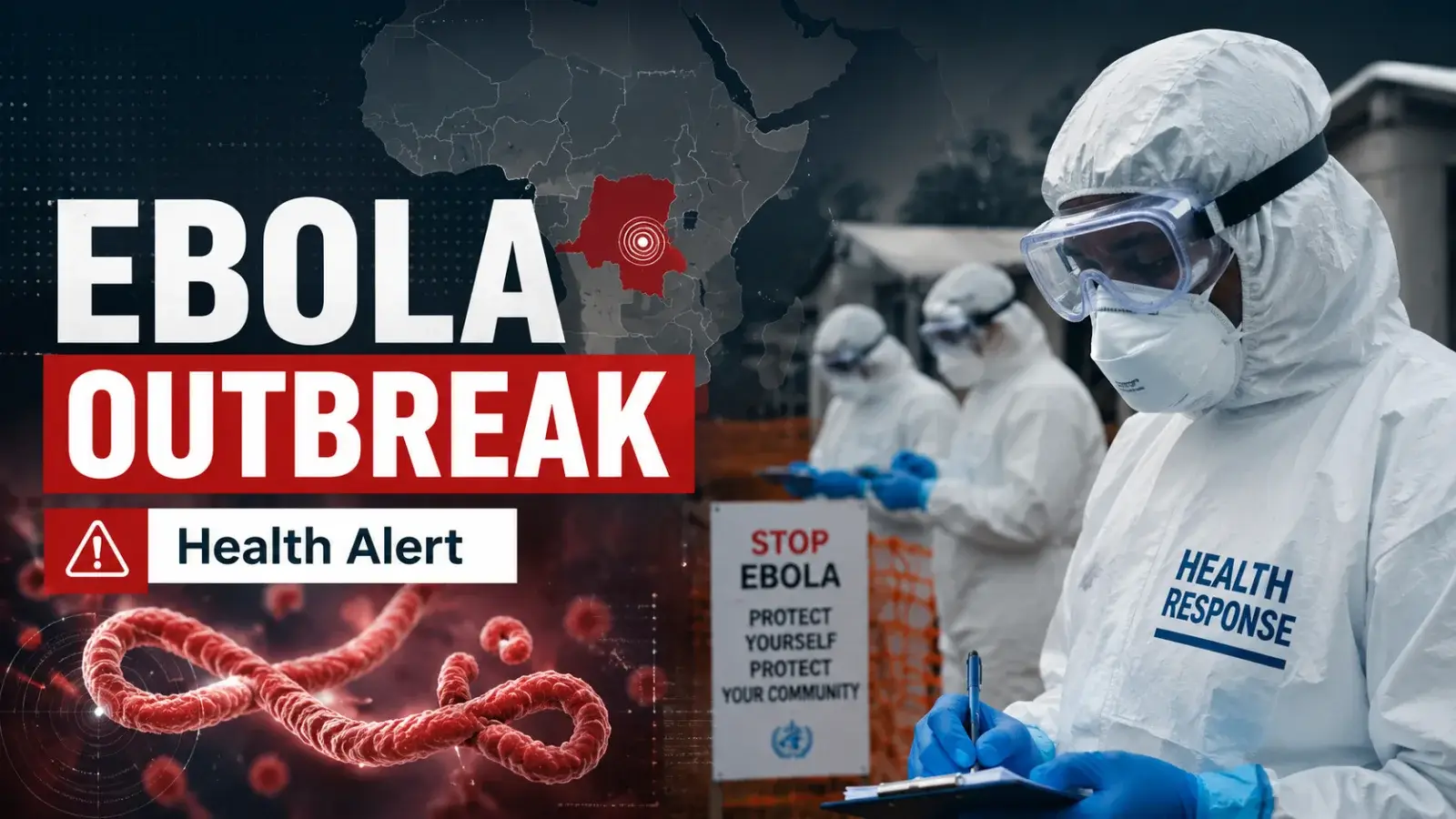
The Ebola outbreak in the Democratic Republic of Congo has now killed more than 3,000 people, according to government figures reported Wednesday. The latest count shows 3,007 deaths among 6,186 confirmed cases, making the outbreak the deadliest the country has experienced.
Most infections are linked to the Bundibugyo species of Ebola, which differs from the Zaire strain involved in several previous major outbreaks. The current outbreak began in Ituri province and has since spread into six provinces despite containment efforts by Congolese authorities, the World Health Organization and aid groups.
Health workers are facing major challenges in identifying and isolating cases quickly. Weak disease surveillance, regional insecurity and resistance in some communities have complicated efforts to stop transmission.
A particularly serious concern is that roughly 60 percent of deaths are occurring outside treatment centers. That pattern suggests many patients are reaching care late or not reaching specialized treatment facilities at all, increasing the risk of additional household and community transmission.
There are currently no approved vaccines or treatments specifically for Bundibugyo Ebola. Researchers are developing candidate vaccines, while authorities have begun vaccinating frontline health workers with Merck’s Ervebo vaccine, which is approved for the Zaire strain and may provide some cross-protection.
The outbreak is now second only to the 2014-2016 West Africa epidemic in overall scale and lethality. International health agencies say stronger surveillance, community engagement and access to treatment will be critical to slowing the spread and reducing deaths.
Source Link: Reuters report