
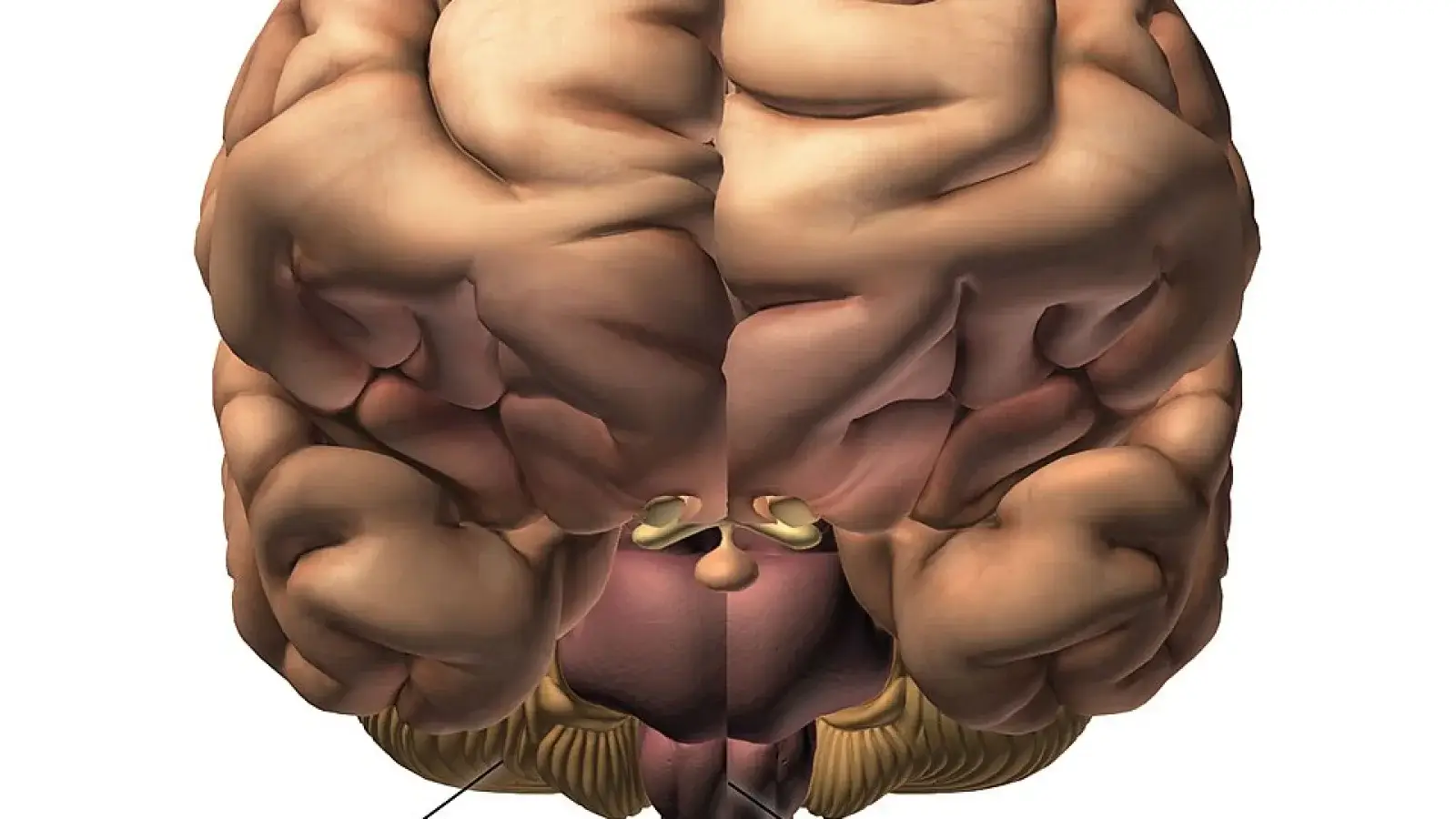
Scientists have created a detailed map showing how genes behave in individual cell types within the human prefrontal cortex, a brain region essential to planning, decision-making, emotion and behavior. Researchers say the work may provide new clues about why several neurological and psychiatric disorders develop.
The project analyzed gene activity in the nuclei of more than 6.3 million brain cells from 1,494 deceased donors. The donors ranged from infants to people 108 years old and included individuals with and without diagnosed brain disorders.
Researchers examined neurons as well as immune cells, blood-vessel-associated cells and support cells that help the brain function. The large dataset allowed scientists to compare normal development and aging with patterns seen in Alzheimer’s disease, Parkinson’s disease, Lewy body dementia, vascular dementia, schizophrenia and bipolar disorder.
The studies identified some biological pathways that appear across multiple diseases and others that are more specific to individual conditions. Alzheimer’s, Parkinson’s and several forms of dementia showed notable similarities involving nerve-cell development, communication and blood-vessel biology.
Researchers say the value of the map is that it can help narrow the search for treatment targets to the right biological process in the right type of cell. That does not mean a new treatment is immediately available, but it gives scientists a more precise roadmap for future laboratory and clinical research.
The work was conducted through the PsychAD research consortium with support from the National Institute on Aging, part of the National Institutes of Health. Findings from the project were published across nine studies, including research appearing in the journal Nature.
Source: