Action
FDA has approved Gazyva (obinutuzumab) injection to reduce the risk of relapse in adult and pediatric patients 2 years of age and older with frequently relapsing or steroid-dependent, childhood-onset, idiopathic nephrotic syndrome who are in remission.
Gazyva was previously approved for treating certain cancers and for treating adults with active lupus nephritis who are receiving standard therapy.
Disease or Condition
Idiopathic nephrotic syndrome is a kidney disorder of unknown cause. In these patients, large amounts of protein leak into the urine, leading to low blood albumin levels (a type of protein in the blood) and often swelling. Idiopathic nephrotic syndrome can also lead to high cholesterol and other complications such as infections, and blood clots that can block small blood vessels. Idiopathic nephrotic syndrome is the most common cause of nephrotic syndrome in children and usually starts between 2-7 years of age. The annual incidence is estimated to be 1 to 4 per 100,000 children and varies with age, race, and geography.
Effectiveness
The efficacy and safety of Gazyva were evaluated in INSHORE (NCT05627557), a phase 3, randomized, controlled, open-label, multicenter study in 85 patients 2 years of age and older with childhood-onset frequently relapsing or steroid-dependent idiopathic nephrotic syndrome. Patients had to be in complete remission at study entry, meaning no swelling and urine protein within the normal range.
In this study, patients were randomly assigned to receive intravenous Gazyva dosed according to the patient’s weight on Days 1 and 15, and Weeks 24 and 26, or twice daily oral mycophenolate mofetil, a common standard of care therapy. The primary endpoint was the proportion of patients with first morning urine protein-creatinine ratio (a measure of the amount of protein in the urine) of no more than 0.2 g/g at Week 52 without a relapse from Week 8 to Week 52. The proportion of patients meeting this endpoint was significantly greater in the Gazyva treatment group compared to the standard of care treatment group (73%).
Safety
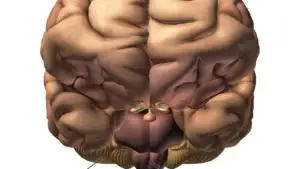
Gazyva’s label has a boxed warning for hepatitis B virus reactivation and progressive multifocal leukoencephalopathy (a rare and serious brain infection caused by a virus in people with a weakened immune system). The most common side effects of Gazyva in patients with idiopathic nephrotic syndrome are infections, infusion-related reactions, and neutropenia (low number of a type of white blood cell that fights infections). See the prescribing information for the complete safety information.
Gazyva received Breakthrough Therapy, Orphan Drug and Priority Review designations for this approval.