
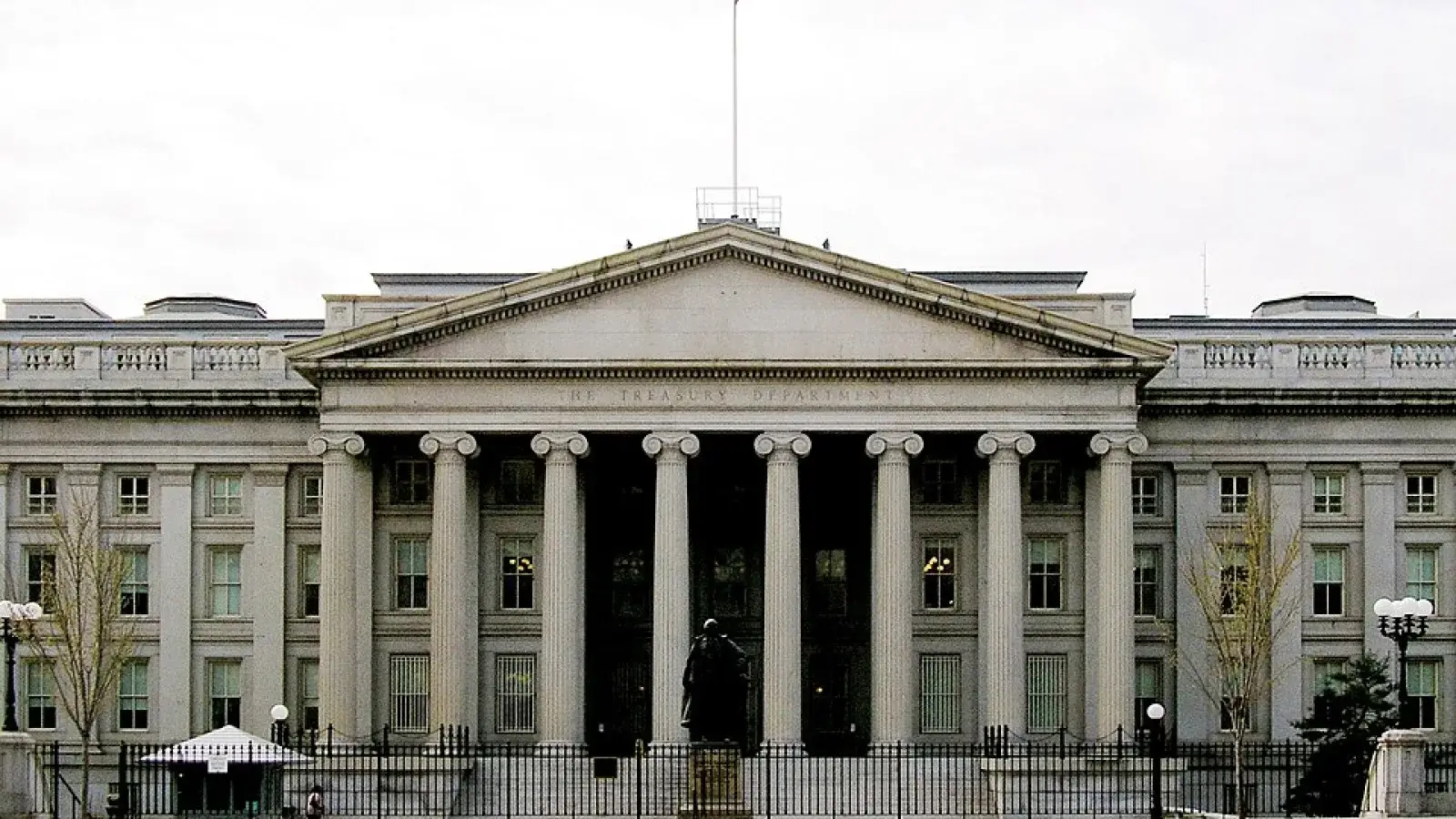
The yield on the 30-year U.S. Treasury bond climbed above 5.4 percent Thursday, reaching its highest level since 2004. The move reflects a continuing selloff in government bonds as investors demand higher returns to hold long-term U.S. debt.
Bond yields move in the opposite direction from prices, so the rise indicates investors have been selling longer-dated Treasury securities. Markets are weighing strong economic growth against high energy prices and the possibility that inflation will remain difficult to control.
Higher Treasury yields matter well beyond Wall Street because they influence borrowing costs throughout the economy. Mortgage rates, corporate financing and other forms of long-term credit can become more expensive when benchmark government yields rise.
The increase also creates additional pressure on federal finances. As older government debt matures and new debt is issued at higher rates, the cost of servicing the national debt can consume a larger share of federal spending.
Investors are also reassessing the outlook for the Federal Reserve after recent signals that monetary policy could remain restrictive. Markets were assigning a substantial probability to another rate increase in October, adding to pressure on bonds and other interest-rate-sensitive assets.
The Treasury market will remain sensitive to inflation data, energy prices and Federal Reserve guidance in the coming weeks. A sustained period of elevated long-term yields could gradually filter into household and business borrowing decisions across the country.